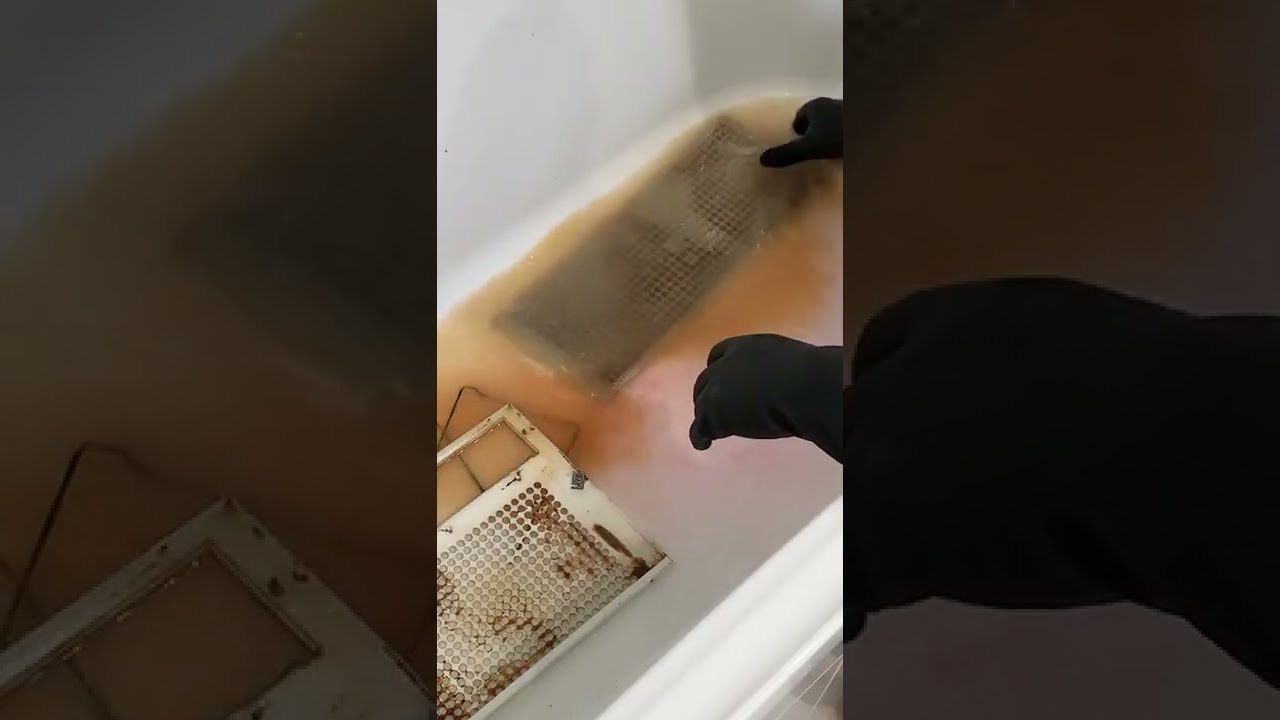
If your kitchen smells less like a gourmet feast and more like a smoky, slightly melancholic steam vent, you are not alone. Cooking is meant to be an act of culinary joy, but when the air quality dips, the experience quickly turns from delightful to downright oppressive. Poor ventilation is not just a minor annoyance; it’s a mechanical, health, and aesthetic issue that needs professional attention. Understanding when and how to tackle inadequate kitchen ventilation systems Sydney can transform your cooking space from a greasy, humid sauna into a breathable culinary haven.
This comprehensive guide will walk you through the critical signs of poor airflow, why professional intervention is non-negotiable, and what homeowners in Sydney can expect when they start the journey of restoring optimal air quality.
Why Proper Ventilation Is More Than Just a Luxury
Many people view the kitchen extractor hood as merely a way to stop the smoke from reaching the living room. While that is certainly a benefit, the role of ventilation is far deeper. It is a critical component of your home’s overall air management system, affecting everything from your energy bills to your respiratory health. Think of your ventilation system as the lungs of your home; if they are compromised, everything else suffers.
Health Concerns Beyond the Smell
The smoke and steam generated during cooking are not harmless wisps of vapor. They are complex mixtures of pollutants, including fine particulate matter, grease aerosols, and volatile organic compounds (VOCs). These invisible culprits can accumulate over time.
- Grease Buildup: Grease is sticky and corrosive. If it isn't properly captured and vented, it settles on surfaces and within ductwork, creating a fire hazard and poor air quality. Airborne Pollutants: Cooking releases aldehydes and nitrogen dioxide. Continuous exposure can aggravate respiratory conditions, making simple tasks like boiling pasta feel like an endurance sport. Humidity and Mould: Poor air exchange traps excessive moisture. This high humidity level creates the perfect breeding ground for mould and mildew, which can permeate walls and surfaces, leading to chronic musty odors and potential respiratory issues.
Maintaining Culinary Efficiency and Taste
Does your kitchen feel perpetually sticky? Is every meal accompanied by a thick, suffocating blanket of odor? When ventilation fails, the air becomes stagnant. This doesn't just make you cough; it can actually affect the perceived taste of your food. The constant battle against odors makes the kitchen a less enjoyable place to gather. As one local Sydney chef once advised, "A great meal deserves a great stage, and that stage needs clean, fresh air."
Diagnosing the Problem: Recognizing Failing Airflow
If your kitchen ventilation system is struggling, it won't send you a warning light. Instead, it will send you a series of subtle, yet alarming, signs that require https://griffinvbht424.fotosdefrases.com/finding-the-best-answers-to-where-to-get-affordable-rangehood-cleaning-in-parramatta immediate attention. Ignoring these warnings is like trying to run a marathon with a flat tire—eventually, you will stall.
Common Warning Signs of Poor Ventilation
Do any of these sound familiar? They are the flashing warning signs that it's time for professional help.
- Visible Grease Build-Up: If you find thick, tacky grease deposits on the hood exterior or under the range, your filtration and extraction capabilities are compromised. The "Stale Air" Factor: If the air in your kitchen feels heavy, humid, and seems to stay put long after the cooking is done, your system is failing to properly exchange air. Motor Strain and Noise: If the fan motor sounds labored, whines, or seems to be struggling to pull air, the ductwork may be blocked, or the motor itself needs servicing. Odor Persistence: The most telling sign. If you can't fully eliminate the smell of burnt onions or fish for hours after cleaning, the ventilation system isn't doing its job.
Understanding the Underlying Causes
The cause of poor ventilation is rarely just the fan motor. It is often a combination of factors:
- Ductwork Blockages: Over time, ducts can get clogged with grease, dust, and debris, restricting the airflow and making the system inefficient. System Misalignment: Sometimes, the system was installed incorrectly, meaning it cannot effectively capture smoke at the source. Mechanical Failure: The fan motor, filters, or duct dampers may simply be worn out or damaged.
The Professional Solution: Fixing Inadequate Kitchen Ventilation Systems Sydney
Attempting to fix a complex system like this yourself is usually like trying to repair a plumbing leak with a teaspoon—you'll only make a mess. The solution requires specialized knowledge, adherence to local building codes, and powerful equipment. This is where experienced HVAC and ventilation specialists become indispensable.
The Comprehensive Assessment Process
A professional service doesn't just look at the fan; they look at the whole ecosystem. They will conduct a thorough assessment, which includes:
- Airflow Testing: Measuring the volume and velocity of air being extracted to determine the system’s true capacity. Visual Inspection: Checking the integrity of the ductwork, assessing the motor, and identifying all points of grease and structural damage. Code Compliance Check: Ensuring the entire system meets current Sydney building codes and safety standards.
Scope of Repairs and Upgrades
Depending on the assessment, the repairs could range from simple maintenance to a complete overhaul.
- Deep Cleaning and Servicing: The most common fix. This involves professionally cleaning the entire duct network, removing hardened grease, and servicing the motor and filters. Motor/Fan Replacement: If the motor is struggling, replacement is necessary to restore proper airflow capacity. System Upgrades: Sometimes, the original system was simply inadequate for the modern demands of a kitchen. This might require upgrading the duct diameter or installing advanced filtration components.
Making Your Kitchen Breathe Again
A truly functioning ventilation system is invisible—it’s the quiet assurance that every meal you create will be enjoyed in a clean, fresh, and healthy environment. Investing in proper ventilation is not just spending money on a repair; it is investing in the health and comfort of your entire household.
The right ventilation system acts as a powerful invisible shield, keeping the pollutants and grease out of your home and away from your family. By prioritizing professional maintenance, you ensure that your kitchen remains a joyful, functional heart of the home. Don't let stale air and lingering odors diminish the pleasure of cooking.

If you suspect your kitchen is struggling to keep up with the culinary demands of your household, remember that a thorough, professional assessment is the critical first step. Contacting local Sydney experts who specialize in fixing inadequate kitchen ventilation systems Sydney will provide the peace of mind and the powerful airflow needed to restore your home to its optimal, breathable state.